Retro Futurism Style Shifts
Why the future of fashion suddenly looks like the past …
Fashion has always been fascinated by what comes next, but lately, the future looks surprisingly familiar. Enter retro-futurism, an aesthetic that blends nostalgic visions of the future with modern design, technology, and contemporary styling. Think metallic fabrics, sculptural silhouettes, futuristic sunglasses, space-age accessories, and the sleek minimalism of decades past. While the term may sound like a contradiction, retro-futurism draws inspiration from how previous generations imagined the world of tomorrow. From the optimistic space-age designs of the 1960s to the cyber-inspired aesthetics of the early 2000s, fashion is revisiting yesterday’s predictions of tomorrow and making them relevant all over again.
Cultural Moments That Shaped These Aesthetics.
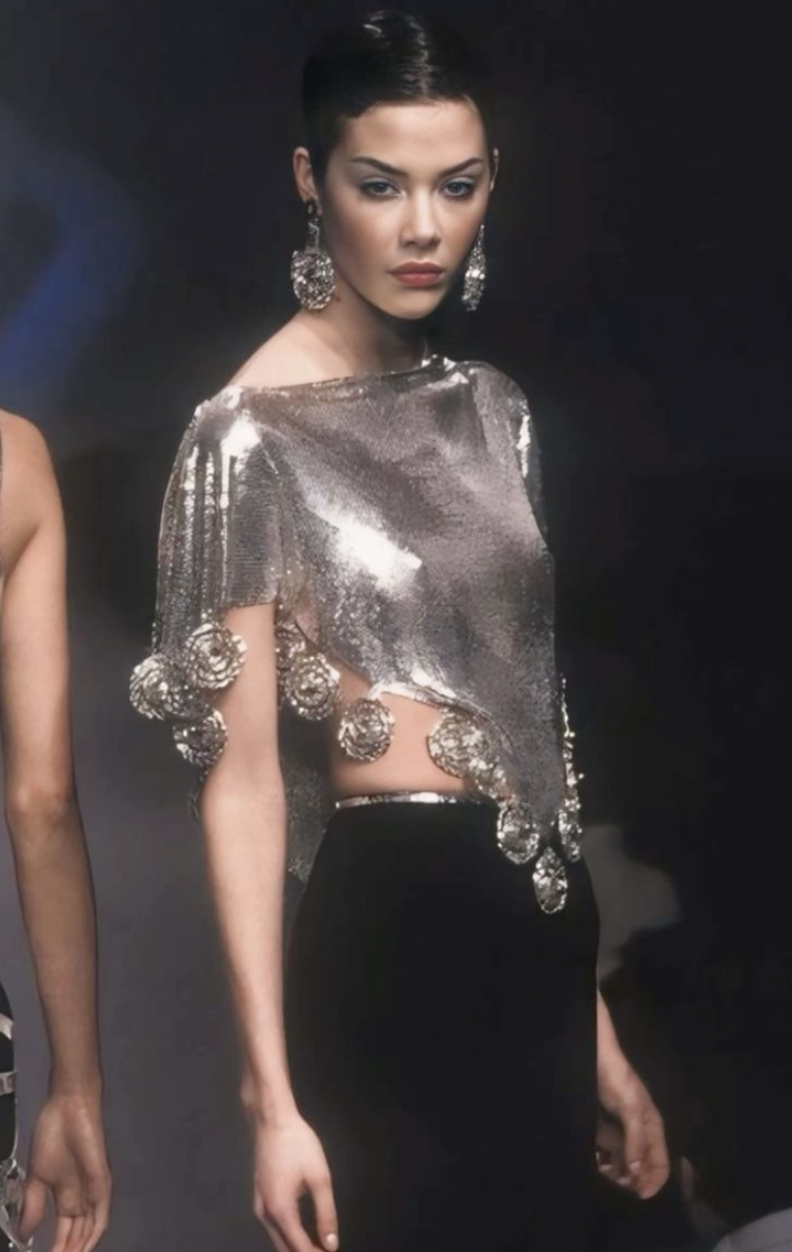
During the 1960s, the Space Race sparked a fascination with space exploration, scientific advancement, and life beyond Earth. Designers such as André Courrèges and Paco Rabanne challenged traditional ideas of dressing through geometric cuts, vinyl, chainmail, and unconventional materials. Their collections reflected a world captivated by technological possibility. Decades later, the late 1990s and early 2000s introduced a different vision of the future, shaped by the internet, digital culture, and the anticipation of a new millennium. This era gave us tinted lenses, metallic finishes, sleek sportswear, low-rise silhouettes, and futuristic accessories. Today’s retro-futurism borrows from both periods, combining space-age experimentation with Y2K nostalgia and a distinctly modern point of view.
Why Is Fashion Looking Back To Move Forward?
Part of the answer lies in the cyclical nature of trends, but the shift also reflects a broader cultural desire for familiarity in an increasingly digital world. As artificial intelligence, virtual environments, and rapidly evolving technology reshape everyday life, fashion offers a way to interpret these changes through something tangible: clothing. Retro-futurism allows designers and consumers to explore the unfamiliar while drawing comfort from recognizable references. Nostalgia also plays a significant role in contemporary trend cycles, particularly as younger generations rediscover aesthetics they never personally experienced. Social media accelerates this process, turning archival runway images, vintage campaigns, and forgotten subcultures into immediate sources of inspiration. The result is not simply a return to the past, but a reinterpretation of it through the lens of the present.
The Key Is Contrast
On the runway and in everyday wardrobes, retro-futurism is less about dressing like a science-fiction character and more about incorporating futuristic elements into wearable outfits. Reflective fabrics, silver accessories, wraparound sunglasses, streamlined silhouettes, and technical outerwear can introduce the aesthetic without overwhelming a look. The key is contrast: pairing a metallic top with classic denim, styling futuristic eyewear with a tailored blazer, or combining sporty technical pieces with vintage-inspired accessories. Texture and proportion matter just as much as color. Glossy finishes, sculptural shapes, and unexpected materials create visual interest, while familiar wardrobe staples keep the overall look grounded. For those looking to experiment, accessories are an accessible entry point. A statement pair of sunglasses, a chrome-toned bag, or a sleek shoe can communicate the trend without requiring an entirely new wardrobe.
Ultimately, retro-futurism reveals something important about fashion: innovation does not always mean abandoning what came before. Designers continually reinterpret historical references because the past provides a visual language through which we can understand the present and imagine what comes next. As fashion moves further into a technology-driven era, the contrast between digital innovation and nostalgic design will likely remain a compelling source of inspiration. The most interesting wardrobes will not necessarily be the ones that look the most futuristic, but the ones that make old ideas feel entirely new.
“The future of fashion may not be about predicting what we will wear next; it may be about rediscovering what we once imagined we would wear and finally making it our own.”
- Fitted By Jacy
Written By: Jacy Morris
Owner & Lead Stylist At Fitted By Jacy